The Lagos State building industry is booming, but there is a lack of a clear overview on how to build safely for most homeowners in Nigeria. The rapid growth of the industry brings a myriad of housing options, from modest bungalows and storey buildings to towering high-rise structures.
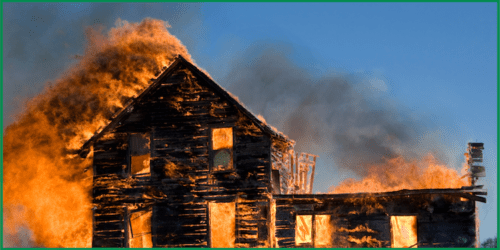
With the growth comes opportunity, but also risk, such as fire hazard, defective construction, and building collapses, which remain serious and recurring threats across Lagos State.
In this blog post, we explain in plain language what homeowners, developers, and professionals need to know when building a bungalow, a multi-storey building, or a high-rise in Lagos State, focusing on safety laws, key approvals, and practical steps to reduce fire risk and structural collapse.
Essential Lagos State Building Legal Landscapes
- Building and Planning Approval: To safeguard lives and properties against environmental hazards, fire incidents, and structural failures, the Lagos State government has enacted stringent building codes and regulations, which are enforced primarily by the Lagos State Physical Planning Permit Authority (LASPPPA) and the Lagos State Building Control Agency (LASBCA) to ensure that properties are safely build, demolish, and renovate in Lagos State, Nigeria. See the Lagos e-planning checklist and planning permit guidance.
- Building Control and Enforcement: The Lagos State Building Control Agency (LASBCA) enforces building control, inspects works, and has the authority to demolish illegal or unsafe structures. Homeowners are required to comply with LASBCA regulations and the agency’s guidelines.
- National Technical Standards: The National Building Code of Nigeria (2006) contains design, structural, and fire safety requirements (e.g., means of egress, compartmentation, fire resistance, alarms, and extinguishing systems).
- Fire Law and Regulation: The Fire Service Act (federal) and the newer Fire Service Regulations (2019) give the Fire Service the power to inspect, fight fires, and publish fire safety rules. Lagos also enforces local fire safety requirements and issues fire-safety certificates and compliance notices. Buildings must provide firefighting equipment and safe egress.
Types of Buildings (Bungalow, Storeys, High-rise): Construction & Safety Checkpoint
1. Bungalows (The Foundation of Safe Housing):
Bungalows, with their single-story design, may seem less complex than taller structures; however, they still require adherence to specific safety measures, including the prevention of electrical fires, proper ventilation to avoid cooking fires, safe LPG/generator installations, and robust building foundations in good soil.
What the Law/Practice Requires
- Planning/Permit: Even for a bungalow home, you must obtain a planning/building permit and submit drawings signed by licensed professionals.
- Structural Safety: Conduct a soil test and utilize structural drawings from a registered structural engineer for the foundation and superstructure – many collapses begin with inadequate foundations or poor concrete mixes.
- Fire Safety Basics: Ensure safe electrical installations are certified by a qualified electrician, store LPG separately from living spaces, maintain both fixed and portable fire extinguishers in the kitchen, and provide a clear escape route from the bedroom(s). Local fire authorities may conduct inspections to ensure basic compliance with regulations.
Practical Checklist for Owners
- Obtain a building structural plan and planning permit from LASBCA and LASPPPA, respectively.
- Do a soil investigation and follow the engineer’s foundation design.
- Ensure certified electrical work, surge/protection devices, and licensed installation of generator/LPG
- Install at least two (2) domestic fire extinguishers and practice an escape plan in case of emergency.
2. Single-Storey and Multi-Storey Buildings (Low to Mid-Rise):
These buildings are more complex compared to bungalows, which require more stringent regulations due to their associated risks, such as inadequate structural design for additional floors, compromised stair widths or blocked exits during conversions, and non-compliant electrical and mechanical installations that can lead to fire spread.
What the Law/Practice Requires
- Complete Professional design and approval: Architectural, structural, mechanical (M&E), and fire-safety plans reviewed by competent professionals and required for plan approval. Building stage certifications and inspections are obligatory.
- Means of Egress and Compartmentation: The National Building Code requires minimum widths for staircases, fire escape provisions, emergency lighting, and compartmentation to slow the spread of fire in multi-storey buildings.
- Active Fire Systems: For many multi-storey buildings, law and practice require smoke detection, alarms, hydrant/standpipe access, and, in some cases, automatic suppression (sprinklers), depending on occupancy and building height. Fire authorities may require a Fire Safety Certificate after inspection.
Key Enforcement Points and Common Failure Modes
- Unapproved additional floors (roof-top conversions) repeatedly cause collapses because the original foundations/superstructure were not designed for the extra load. LASBCA actively enforces against illegal add-ons.
- Blocked stairways, locked exits, or the conversion of emergency staircases into rooms are prohibited, as they defeat escape routes.
Homeowner and Developer Checklist
- Engage licensed architect, structural engineer, and M&E/Fire Consultants; submit full drawings for approval.
- Build to approved structural details; perform concrete cube tests and keep quality control records.
- Install the required detection and firefighting systems and obtain a fire safety inspection/certificate before occupation.
3. High-rise Buildings (Taller Commercial and Residential Towers):
These types of buildings require the strictest regulations and laws regarding occupancy, demolition, and construction. Typical risks associated with high-rise buildings include rapid fire spread across many floors, evacuation complexity, wind/seismic load considerations, and more catastrophic consequences if the structure fails.
What the Law/Practice Requires
- Stringent Design and Registration: High-rises demand advanced structural analysis, geotechnical studies, specialized materials, and detailed fire engineering (smoke control, pressurised stair shafts, refuge floors). The National Building Code and Lagos agencies require detailed compliance and frequent inspections.
- Fire Engineering and Active Systems: High-rise codes typically require complete automatic fire detection, voice alarm systems, sprinkler systems, pressurised fire lifts, hydrant mains, and trained building fire marshals. Local fire services inspect and enforce these systems.
- Maintenance and Management: Laws and good practice require a formal building management plan that covers fire safety maintenance, scheduled drills, and the appointment of competent personnel to implement emergency plans.
Recent Policy Context and Governance
- Lagos has been strengthening enforcement after repeated collapses; LASBCA publishes guidance and removes distressed or illegal structures. Civil society and media also press for more rigorous enforcement to stop avoidable collapses. For references, download the LASBCA-GUIDE.
Building Owner/Developer/Manager Checklist
- Commission an independent third-party peer review of structural and fire engineering for tall buildings.
- Install and maintain automatic detection, sprinklers (where required), fire lifts, and adequate refuge/evacuation plans.
- Maintain documentation of inspections, testing (including pump tests, hydrant pressure tests, and detector tests), and emergency drills.
Legal Steps to Building Demolition, Retrofits, and Renovation
- Demolition Permit: Lagos requires a demolition permit and a demolition method statement, both of which must be supervised by competent engineers. Unregulated demolition poses a threat to neighbours and is a prosecutable offence. LASBCA issues demolition notices and guidance.
- Retrofits and Renovations: Any change of use or addition of floors requires fresh plan approval and structural sign-off. Operating without approval can lead to stop-work orders, fines, seizure, or demolition.
Enforcement and Penalties –– Who’s Responsible?
- Responsibility: The owner, developer, principal contractor, and supervising professional share legal responsibility for compliance. Unqualified ‘build-and-blame’ shortcuts are not a legal defence.
- Penalties: Non-compliance can result in fines, demolition of illegal works, prosecution under building/fire laws, and loss of a Certificate of Occupancy or permits. Fire authorities can also withhold Fire Safety Certificates until defects are fixed.
Reasons why buildings collapse in Lagos, Nigeria.
- Construction without approved plans or ignoring structural design, including unapproved retrofits/renovations.
- Poor materials and workmanship (wrong concrete mixes, inadequate reinforcement).
- Skipping soil tests / unsuitable foundations, especially on reclaimed or flood-prone plots.
- Corruption, weak inspection, and poor enforcement allow unsafe buildings to be occupied.
Bottomline
A beautiful, long-lasting building is not just good architecture – it’s the result of lawful process, competent design, quality materials, disciplined site supervision, and continuing maintenance.
Lagos law provides the necessary tools (permits, codes, inspections, and enforcement) to keep people safe from fire and collapse – but those tools only work when owners, professionals, and regulators fulfill their responsibilities without compromise.
If you’re building or buying in Lagos: get the approvals, insist on qualified professionals, and treat fire safety and structural checks as investments, not expenses. Lives depend on it.
Do you enjoy this reading? Kindly share with family, friends, and colleagues. Thanks! 🙂