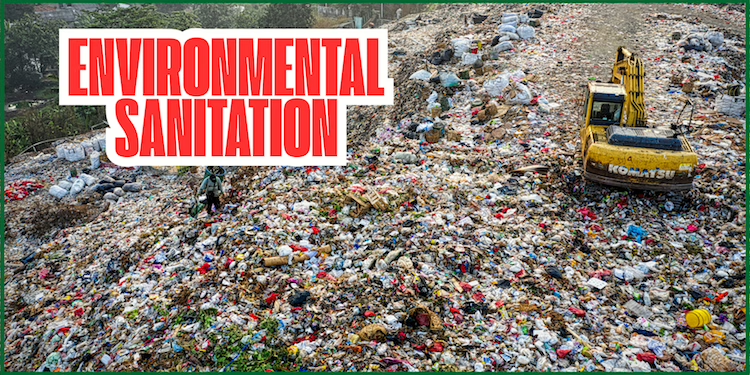
Environmental sanitation for a healthier community goes beyond just keeping surroundings clean—it involves managing waste, ensuring proper drainage, maintaining hygiene, and creating a safe, healthy environment for everyone.
Environmental sanitation is one of the most practical and powerful ways to improve a community’s quality of life.
In many local communities, especially in rapidly growing urban and semi-urban areas like Lekki in Lagos State, Nigeria, sanitation challenges can quickly escalate if not properly managed.
Poor waste disposal, blocked drainage systems, and inadequate hygiene practices can lead to serious health and environmental consequences.
Preventing deadly health and environmental consequences is why environmental sanitation must be seen not as a one-time activity, but as a continuous, collective responsibility.
Importance of Environmental Sanitation
1. Protects Public Health: A cleaner environment reduces the spread of diseases such as typhoid, malaria, cholera, and diarrhea. Waste accumulation attracts pests such as mosquitoes, flies, and rodents, which can carry harmful pathogens. By maintaining proper sanitation, communities can significantly reduce health risks and medical costs.
2. Prevents Flooding and Environmental Damage: Blocked drainage systems caused by indiscriminate waste disposal often lead to flooding during heavy rains, e.g., Lekki Flood 2024. Flooding not only damages homes and infrastructure but also contaminates water sources. Regular gutter cleaning and proper waste management help maintain natural water flow and protect the environment.
3. Enhances Quality of Life: Clean surroundings promote mental well-being, pride, and a sense of order within the community. People are more likely to feel safe, comfortable, and motivated in a well-maintained environment. It also encourages social cohesion, as residents work together toward a common goal.
4. Boosts Economic Opportunities: Communities that prioritize sanitation are more attractive to investors, businesses, and tourists. Clean markets, streets, and public spaces can stimulate local economies by increasing patronage and creating job opportunities in waste management and environmental services.
Key Areas of Environmental Sanitation
Proper Waste Management: Segregating waste (organic, recyclable, and hazardous waste materials) and ensuring regular collection and disposal are essential. Communities should promote recycling and composting where possible.
Drainage Maintenance: Regular gutter and drain cleaning prevents blockages and reduces the risk of flooding and waterborne diseases.
Personal and Public Hygiene: Encouraging handwashing, proper toilet use, and cleanliness in homes, schools, and public spaces is fundamental to sanitation.
Safe Water Supply: Access to clean and safe drinking water is a critical component of environmental sanitation. Protecting water sources from contamination is equally important.
How Communities Can Take Action
1. Organize Regular Clean-Up Activities: Community sanitation days, e.g., Lagos State Sanitation Program, can mobilize residents to clean streets, clear drains, and remove waste from public spaces. These activities also foster unity and awareness.
2. Promote Education and Awareness: Local leaders, schools, and organizations should educate residents on proper sanitation practices and the dangers of poor hygiene.
3. Establish Rules and Enforcement: Communities can set guidelines for waste disposal and impose penalties for violations to ensure compliance and accountability.
4. Partner with Local Authorities and Organizations: Collaboration with government agencies and environmental groups can provide resources, training, and infrastructure support.
5. Encourage Individual Responsibility: Every resident plays a role. Simple actions like properly disposing of waste, avoiding littering, and maintaining clean surroundings can collectively make a big difference.
Bottomline
Environmental sanitation is not just about cleanliness—it is about dignity, health, and sustainability. When communities take ownership of their environment, they create safer, healthier, and more prosperous places to live.
The real change begins at the grassroots level. By working together, adopting responsible habits, and prioritizing sanitation, local communities can build a future where clean and healthy environments are the norm, not the exception.
A cleaner environment starts with a single step—but it thrives through collective action.
Do you enjoy this reading? Kindly share with family, friends, and colleagues. Thanks! 🙂